
Your furry family members deserve the same protection and care as their human counterparts. At River Grove Animal Hospital, Dr. Mohinder Bangar, DMV, understands that vaccines are an essential part of any comprehensive pet health plan. These preventive treatments help your beloved companions fight disease before it takes hold, while keeping entire pet populations safe from dangerous infections. Through proper vaccination protocols, you can give your pets the tools they need to live long, healthy lives.
Canine and Feline Vaccines
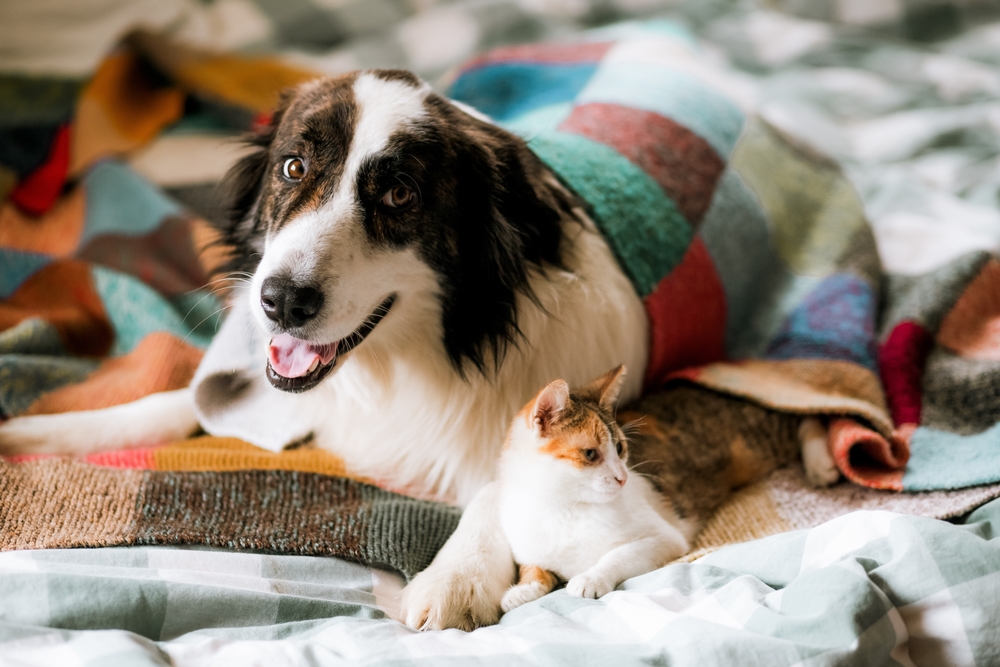
Understanding Canine and Feline Vaccines
Canine and feline vaccines are biological preparations that stimulate your pet’s immune system to recognize and fight specific diseases. These vaccines contain weakened or killed forms of viruses, bacteria, or other pathogens that trigger antibody production without causing the actual illness.
Core vaccines protect against life-threatening diseases that affect all dogs and cats, while non-core vaccines target specific conditions based on geographic location and lifestyle factors. The vaccination process creates immunological memory, allowing your pet’s body to quickly recognize and neutralize harmful pathogens upon future exposure, significantly reducing the risk of severe illness or death.

Our Pet Vaccination Process
Comprehensive Pet Health Assessment and Vaccine Planning
During your first visit, our veterinary team conducts a thorough health assessment of your pet. We review your pet’s medical history, current health status, and lifestyle factors that might influence vaccination needs. Dr. Mohinder Bangar, DMV, will discuss the recommended vaccination schedule and answer any questions you have about the process.
Personalized Canine and Feline Vaccination Strategy
Based on your pet’s age, health condition, and risk factors, we develop a personalized vaccination plan. This plan includes both core vaccines that all pets need and any additional vaccines specific to your pet’s circumstances. We provide you with a clear timeline for initial vaccines and future booster shots to maintain optimal protection.
Safe Pet Vaccination Administration
We administer vaccines in a calm, comfortable environment to minimize stress for your pet. Our experienced veterinary team uses gentle handling techniques and takes time to help your pet feel secure during the process. Each vaccine is carefully documented in your pet’s medical records for future reference and tracking purposes.
Post-Vaccination Care and Monitoring Guidelines
After vaccination, we provide detailed instructions for monitoring your pet at home. Most pets experience no side effects, but we’ll explain what normal reactions might look like and when to contact us. We also schedule reminder appointments to ensure your pet stays current with booster shots and maintains continuous protection against disease.
Ongoing Pet Vaccination Record Management
We maintain detailed vaccination records and send reminders when booster shots are due. Our team remains available to address any concerns that arise after vaccination and tracks your pet’s response to treatments. Regular follow-up appointments allow us to adjust vaccination schedules as needed based on your pet’s changing health needs or lifestyle factors.
Why Choose Us
River Grove Animal Hospital combines years of veterinary experience with a genuine commitment to your pet’s well-being. Our team stays current with the latest vaccination protocols and guidelines to ensure your pets receive the most effective protection available.
We understand that every pet is unique, which is why we take time to develop individualized vaccination plans rather than using a one-size-fits-all approach. Our caring staff creates a welcoming environment where both you and your pets feel comfortable, and we’re always available to answer questions about your pet’s health and vaccination needs.
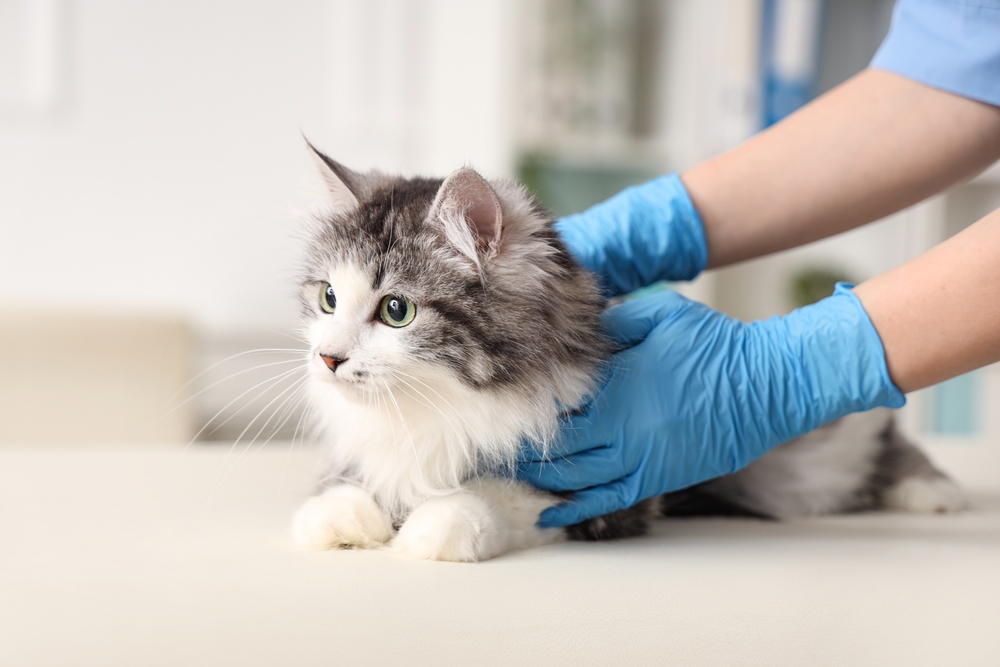
Safeguard Your Furry Family Member With Our Canine and Feline Vaccines!
Protecting your beloved companion with our canine and feline vaccines starts with a simple phone call or visit to our clinic. Dr. Mohinder Bangar, DMV, and the dedicated team at River Grove Animal Hospital are ready to help you develop the right vaccination plan for your pet’s needs.
Call us today at 905-567-4677 to schedule your appointment, connect with us on Facebook, X, and Instagram to stay updated on pet health tips and clinic news, and don’t wait to give your furry family member the protection they deserve.

FAQs
How often do pets need a rabies vaccine?
Most pets need rabies vaccines annually, though some areas allow three-year intervals after the initial series. The exact schedule depends on your local laws and the specific vaccine used. Your veterinarian will recommend the appropriate timing based on your pet’s age and previous vaccination history.
How to get pet vaccination records?
Contact your veterinarian’s office directly to request copies of your pet’s vaccination records. Most clinics can provide these records immediately during your visit or send them electronically within a few business days. Keep copies of these records for boarding facilities, travel, or emergency situations.
Are pet vaccinations necessary?
Yes, vaccinations are essential for protecting your pet’s health and preventing serious diseases. Core vaccines protect against life-threatening illnesses that can affect any pet, regardless of lifestyle. Even indoor pets need vaccinations because some diseases can be transmitted through air, clothing, or other indirect contact.
How long are pet vaccinations good for?
Vaccine duration varies depending on the specific vaccine and your pet’s response. Most core vaccines last one to three years, while others may require annual boosters. Your veterinarian will provide a customized schedule based on the vaccines used and your pet’s health status.
How often do pets need to be vaccinated?
Puppies and kittens typically need vaccines every 3-4 weeks until they’re 16 weeks old. Adult pets generally need annual boosters for most vaccines, though some may be effective for longer periods. Your veterinarian will create a specific schedule based on your pet’s age, health, and risk factors.
